
Biofeedback & Neuromuscular Reeducation
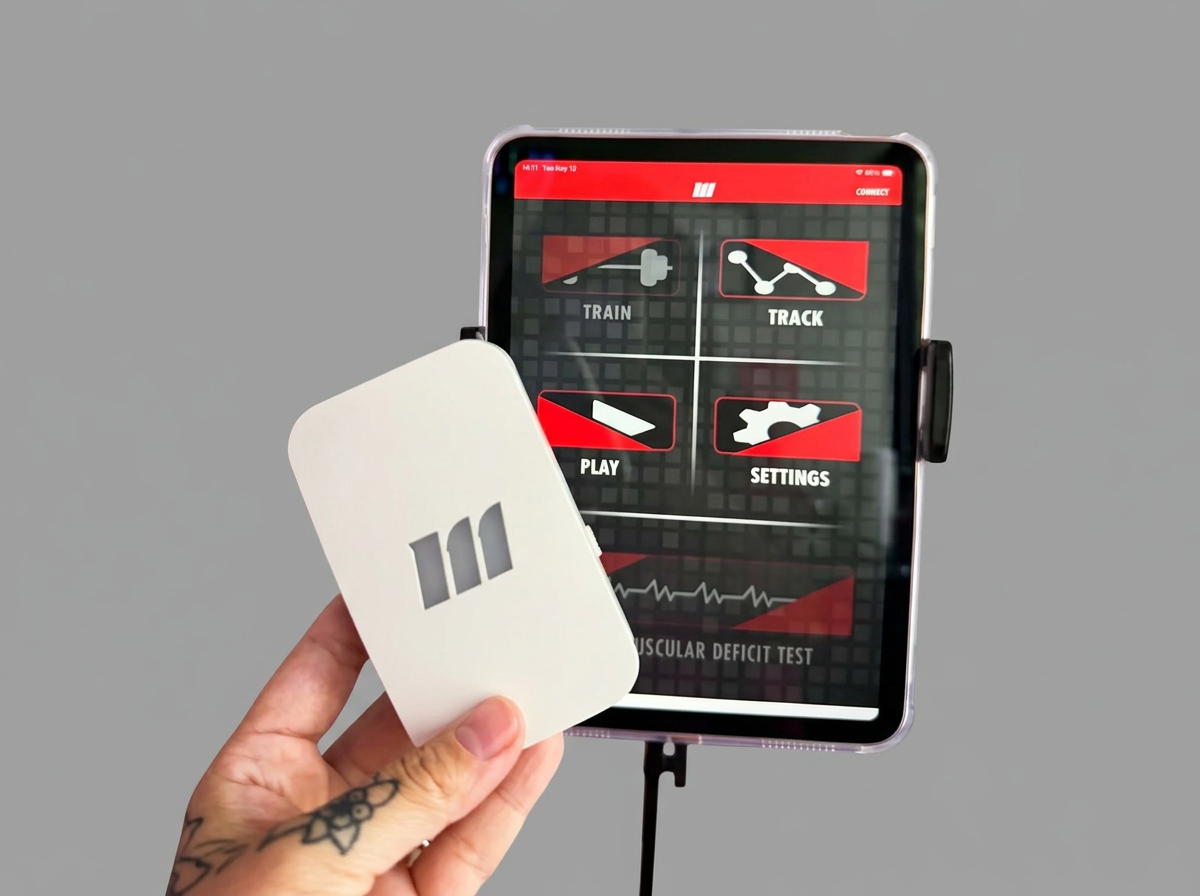
Learn to better understand, control, and coordinate your muscles with real-time biofeedback at Lumos in Lake Mary, Florida.
Sometimes, knowing how to engage a muscle is harder than it sounds. You may struggle to activate a muscle effectively, coordinate a contraction, or relax muscles that remain overly active.
At Lumos, I use mTrigger surface electromyography (sEMG) biofeedback as a tool during individualized rehabilitation. This technology makes muscle activity visible in real time, helping you better understand what your muscles are doing as you practice specific movements and exercises.
What Is Biofeedback?
Biofeedback is a technique that provides information about a body function that you may not easily feel or recognize on your own.
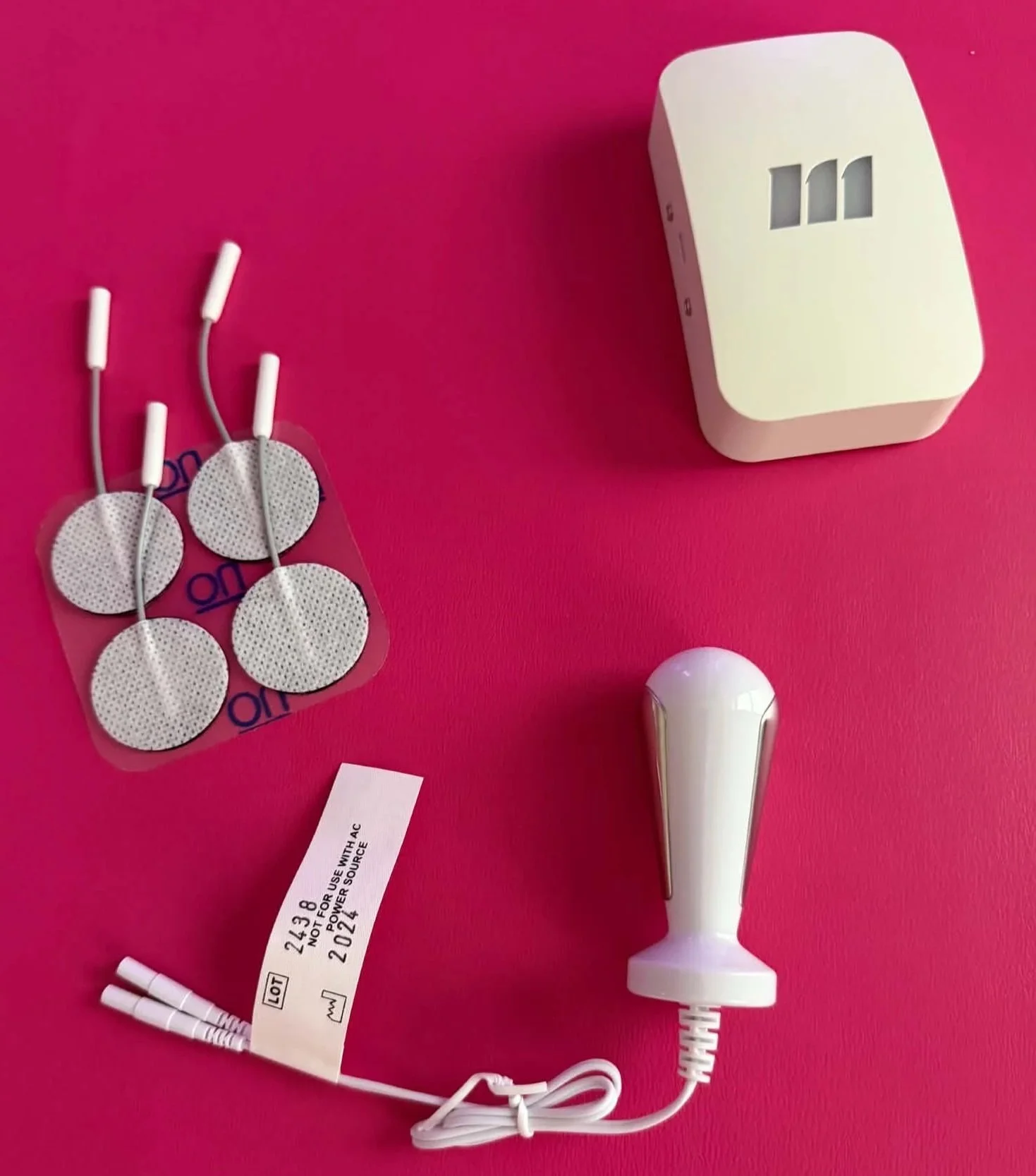
The mTrigger system uses an internal probe or surface electromyography (sEMG) sensors to detect electrical activity produced by targeted skeletal muscles. That information appears on a screen, allowing you and your provider to observe muscle activation as you perform an exercise.
Instead of relying entirely on verbal cues or how a contraction feels, you receive immediate visual feedback that can help you learn to engage or relax targeted muscles more intentionally.
Biofeedback is a tool used alongside therapeutic exercise and individualized care. It does not strengthen muscles by itself; the goal is to use the feedback to improve muscle awareness, coordination, and voluntary control.
How Can Biofeedback Help?
Biofeedback may be incorporated into rehabilitation when you need help learning how to activate, coordinate, or relax particular muscles.
Depending on your assessment and goals, it may help you:
Improve muscle awareness: Recognize when a targeted muscle is engaging during an exercise.
Practice muscle activation: Work on producing a more intentional contraction when activation is difficult.
Improve coordination: Practice engaging the intended muscles while limiting unnecessary compensation from surrounding muscles.
Develop relaxation control: Learn to recognize and reduce unwanted muscle activity when appropriate.
Monitor performance: Observe changes in muscle activity during exercises and across sessions.
Your treatment plan will be based on your individual presentation, goals, and response to care.
Biofeedback for Pelvic Floor Rehabilitation
The pelvic floor muscles contribute to bladder and bowel control, pelvic support, and sexual function. Learning to coordinate these muscles can be challenging, particularly when you have difficulty identifying a contraction or relaxing the muscles when needed.
Biofeedback may help make pelvic floor muscle activity easier to understand during rehabilitation.
Depending on your needs, pelvic floor-focused biofeedback may be considered as part of care for concerns such as:
Difficulty identifying or coordinating a pelvic floor contraction
Urinary leakage associated with impaired muscle coordination
Pelvic floor weakness or reduced voluntary activation
Difficulty relaxing the pelvic floor when excessive muscle activity is present
Postpartum pelvic floor rehabilitation
Biofeedback is not appropriate in the same way for every pelvic floor concern. For example, a patient with an overactive or painful pelvic floor may need a different approach from someone who has difficulty generating a contraction. Your evaluation helps determine whether biofeedback is appropriate and what you should practice.